
English
Views: 0 Author: Vines Music Editorial Team Publish Time: 2026-10-24 Origin: Site


Direct answer: “solid top” describes an acoustic guitar whose soundboard is made from solid wood, while “layered” or “laminated” describes a panel built from multiple bonded layers. The top, back and sides must be recorded separately: a guitar can have a solid top with layered back and sides. Retailers should compare exact construction, sample condition, setup, climate handling, product data and customer mission rather than presenting one label as a complete quality grade.
This guide gives dealers, distributors and education buyers a practical way to verify construction, run a fair demonstration, inspect samples and plan range depth without inventing tone, durability or value promises.
Construction record | What it means | Retail use | Verification |
|---|---|---|---|
Solid top; layered back and sides | Solid-wood soundboard with bonded multi-layer body panels elsewhere | Common bridge between entry and higher construction tiers | Separate top, back and side fields |
All-solid body | Top, back and sides recorded as solid wood | Distinct construction tier where the exact model supports it | Maker record and sample documentation |
Layered top and body | Top and other panels use bonded layers | Can serve price, handling or program roles | Do not infer materials from outer veneer |
Unknown or ambiguous | Listing says only a wood species or “wooden guitar” | Not publication-ready | Request panel construction and species fields |
“Solid wood guitar” is too broad unless the record identifies which panels are solid. Taylor, for example, describes models with solid soundboards and layered back and sides, while Yamaha explains solid and laminated construction as separate panel types. A retailer should use fields such as “top construction,” “back construction” and “side construction.”
Do not infer the inner layers from a visible outer veneer or a species name. “Rosewood back” does not tell the buyer whether the panel is solid, layered wood with rosewood veneer, or another construction. The approved manufacturer record must supply both species and construction.

A front image identifies the soundboard appearance; solid or layered construction still requires the approved product record.
The bridge transfers string energy into the top, so builders and buyers pay particular attention to soundboard design. Yamaha’s educational material notes that the top is where differences between solid and laminated construction are most noticeable, while also warning that design quality matters and that solid wood is not automatically superior in every instrument.
Retail content should therefore explain the construction without promising a fixed volume, warmth, projection or maturity. Bracing, body shape, panel thickness, species, strings, setup, room and player all affect the result. Demonstrate the actual sample and state the conditions.
A solid top can be a meaningful step in a range, but buyers also pay for fretwork, neck stability, hardware, electronics, finish, case, setup consistency, documentation and support. An all-solid description does not excuse weak inspection or missing product data. A layered model may still serve a valuable school, travel or opening-price role.
Build price architecture around the complete SKU and its customer mission. Explain which verified features change at each step and how staff will demonstrate them. Avoid “professional,” “best sounding” or investment claims unless independent evidence and a defined comparison support them.

Compare exact models under controlled conditions instead of treating one construction field as the whole product.
Prepare the samples with documented strings, tuning and setup. Use the same room, player, pick or fingerstyle task and listening position. Begin with fit and construction data, then ask listeners to describe what they hear without forcing a preferred adjective. Record the model codes and conditions.
One demonstration cannot prove a category-wide result. The useful outcome is whether the buyer can hear and feel a difference that matters for the intended use and price tier. If strings or setup differ, resolve those variables before attributing the observation to panel construction.
Acoustic guitars are wooden assemblies affected by environmental conditions, and care requirements can vary by construction, finish and maker. Keep the manufacturer’s humidity, temperature and acclimation guidance with the product record. Do not promise that layered construction is immune to climate or that solid wood will fail under normal ownership.
At receiving, allow appropriate acclimation, inspect cartons and cases, and look for movement, cracks, seam separation, bridge issues, neck change and finish damage. Let trained personnel evaluate structural or setup concerns. Record the conditions and unit identity before corrective work.
Send Vines Music your target price tiers, body formats, top/back/side requirements, electronics, packaging and quantity range. We can organize a current model-level discussion.
Match the model code, body shape, top, back, sides, finish, cutaway, electronics and included items to the order. Photograph the label and key exterior details. Inspect top and back surfaces, seams, binding, bridge, neck joint, fretwork, nut, saddle and hardware. Tune the guitar and document action, relief and intonation using an agreed method.
If the construction record and sample do not match, pause publication and quotation. Do not “correct” the website from appearance alone. Ask the supplier for the applicable version and preserve the evidence for the purchasing decision.
Place body shape, top construction and top species near the beginning of the listing. Then state back construction/species, side construction/species, neck, fingerboard, bridge, bracing only when approved, finish, scale, nut width, electronics and included items. Define “solid,” “layered” or “laminated” consistently.
Link the listing to the existing acoustic-guitar woods and specifications guide for the wider data framework. Keep one current master record so dealer feeds, quotations and product pages do not use conflicting terms.
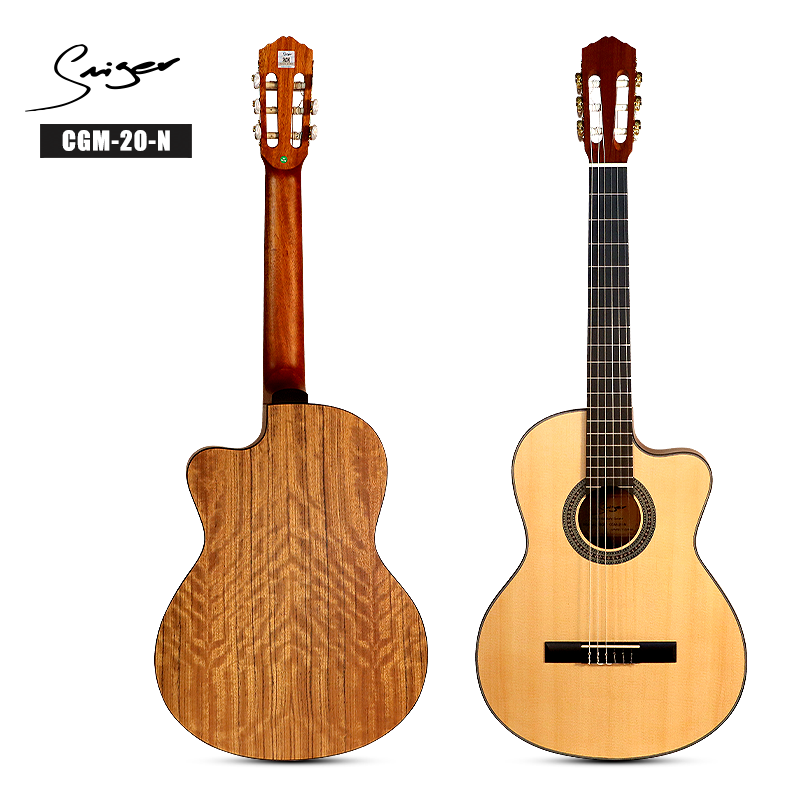
Visible grain and color do not establish panel construction; product data must name both species and structure.
A range might use a layered-body option for a defined opening-price or program role, a solid-top/layered-body model as a step with a solid soundboard, and an all-solid model where the exact market supports that construction and service commitment. Those are planning examples, not fixed quality ranks.
Assign one lead SKU to each proven mission and write the reason it belongs. A second SKU should add a clear body shape, electronics, neck specification, finish, price or support difference. Remove overlaps that staff cannot explain with verified facts.
Evidence | Question | Action |
|---|---|---|
Sell-through and stock age | Does the construction tier serve a real mission? | Adjust depth or comparison partner |
Preparation time | Does the SKU require predictable setup work? | Include labour in unit contribution |
Return and service reason | Is the issue construction, setup, climate, shipping or content? | Correct the responsible workflow |
Quote and trial notes | Which facts help buyers decide? | Improve staff guidance and product pages |
Accessory and case fit | Can the channel support ownership? | Stock or specify compatible support items |
Review the range after enough enquiries and sales to distinguish a pattern from one event. A higher-priced construction tier may still underperform if the page lacks evidence or the store cannot demonstrate it. A lower tier may create strong contribution when its role, preparation and support are clear.
When a buyer asks whether solid is “better,” staff should identify which panel is solid, compare the exact models, explain the other construction and support differences, and invite a controlled trial. The answer should not reduce the instrument to one material field.
Use approved diagrams or records, not improvised claims about wood ageing, projection or climate resistance. If a question exceeds the product record, mark it for supplier follow-up. This protects trust and creates a reusable information gap for the next catalog update.
Answer: a solid-top guitar uses solid wood for the soundboard, while a laminated or layered top uses multiple bonded layers. The back and sides may use a different construction, so “solid top” does not mean the entire body is all-solid wood.
Retailers should publish top, back and side construction as separate fields and identify the species only when approved. Bracing, body shape, panel thickness, strings and setup also affect the result. Compare exact prepared samples rather than using the construction label as a complete judgment.
Answer: no universal ranking is defensible from that field alone. A solid soundboard is a meaningful construction difference, but the finished instrument also depends on design, bracing, workmanship, setup, hardware, electronics, finish and service support. A well-designed layered model can serve a different price or operational role.
Define the customer mission, verify every panel, inspect the sample and compare under controlled conditions. The useful decision is whether the exact SKU provides a clear and supportable role in the retailer’s assortment.
Answer: no. Many acoustic guitars combine a solid-wood top with layered back and sides. “Solid top” describes the soundboard only unless the manufacturer separately states that the back and sides are solid.
Product pages should use independent fields for top, back and sides, with both construction and species. Avoid shortening “solid top with layered mahogany back and sides” to “solid mahogany guitar.” That change removes information and can mislead dealers, customers and service teams.
Answer: appearance alone is not a reliable publication method. Visible grain can identify an outer surface, but it may not reveal the panel’s internal layers or the exact species. Edge details can also be obscured by binding, finish or construction.
Use the approved manufacturer record and resolve any conflict with the supplier. Keep photos of the model label and sample, but do not rewrite construction data from a visual guess. If the record remains unclear, mark the field as pending rather than publish an unsupported claim.
Answer: verify the model and construction record, then inspect top, back, sides, seams, binding, bridge, neck joint, fretwork, nut, saddle, hardware, finish, electronics and included items. Tune the instrument and document setup and intonation with an agreed method.
Compare the sample with the order, approved images and data sheet. Record carton condition, environmental context, photographs and any preparation required. Structural or technical issues should go to trained personnel. The report should distinguish product identity, condition, setup and observed playing result.
Construction definitions and limitations were checked against Yamaha’s acoustic-guitar anatomy guide and Taylor Guitars’ solid, layered and laminate wood explanation. Taylor’s 2025 product guide provides current examples of solid-top guitars with layered back and sides. These maker examples do not establish any Vines Music model’s construction; each SKU requires its own approved record.
Solid-top and layered-wood terms help buyers only when they identify the correct panel and remain connected to the full model, sample and operating record. Clear fields, controlled demonstrations and receiving evidence turn construction into a useful range decision.
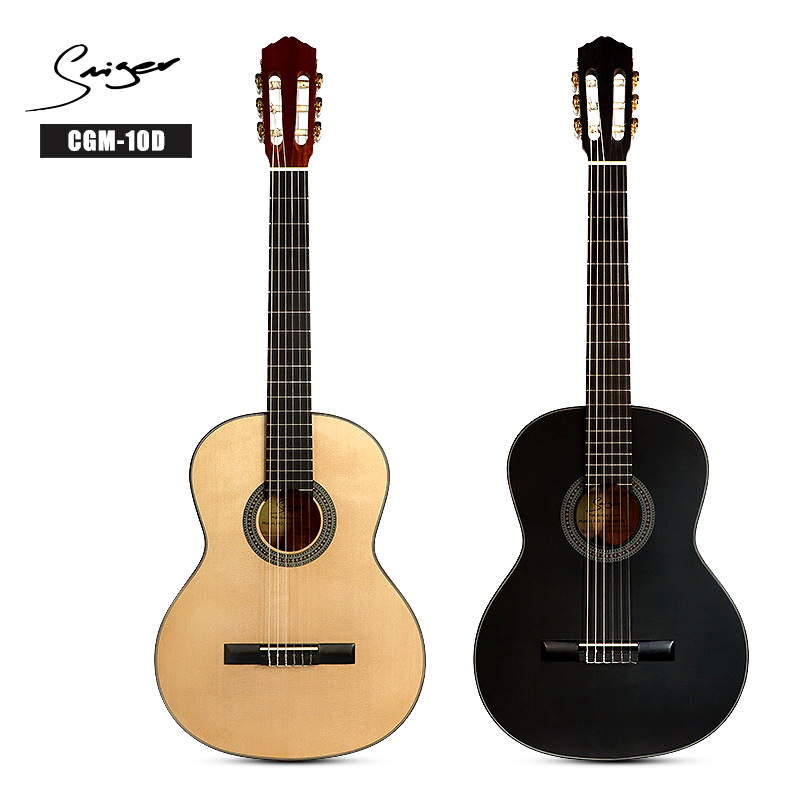
Detail images support model review, while top, back and side construction must remain tied to verified SKU data.
Tell Vines Music which body shapes, top/back/side constructions, price roles and support information your channel needs.