
English
Views: 0 Author: Vines Music Editorial Team Publish Time: 2026-10-05 Origin: Site


Quick answer: a bolt-on bass uses fasteners to attach the neck to the body, while a neck-through bass extends the central neck structure through the body and adds body wings around it. The construction affects manufacturing, inspection, repair options, upper-access design and merchandising, but it does not prove that one bass has better tone, sustain, stability or quality. Retailers should compare complete models and their intended roles.
A B2B buyer needs verified construction language, clear sample checks and a realistic service plan. This guide uses current SMIGER product records as practical examples: the G-B8-4 is published with bolt-on construction, and the G-B50-T4 is published with neck-through-body construction. Current specifications and physical samples should be confirmed before any order or dealer listing.
In a bolt-on design, the neck is a separate assembly joined to a neck pocket in the body with screws or bolts and a plate or ferrules, depending on the model. The joint can make neck removal possible for qualified service, but actual repairability depends on parts, dimensions, finish and supplier support. 鈥淏olt-on鈥� does not mean that any replacement neck will fit.
In a neck-through design, the neck and a central structural section continue through the body length, while body wings are joined to the sides. The heel and body transition can be shaped differently because there is no separate neck pocket in the same form. Exact laminations, woods and joint details vary and must be stated from the approved record.
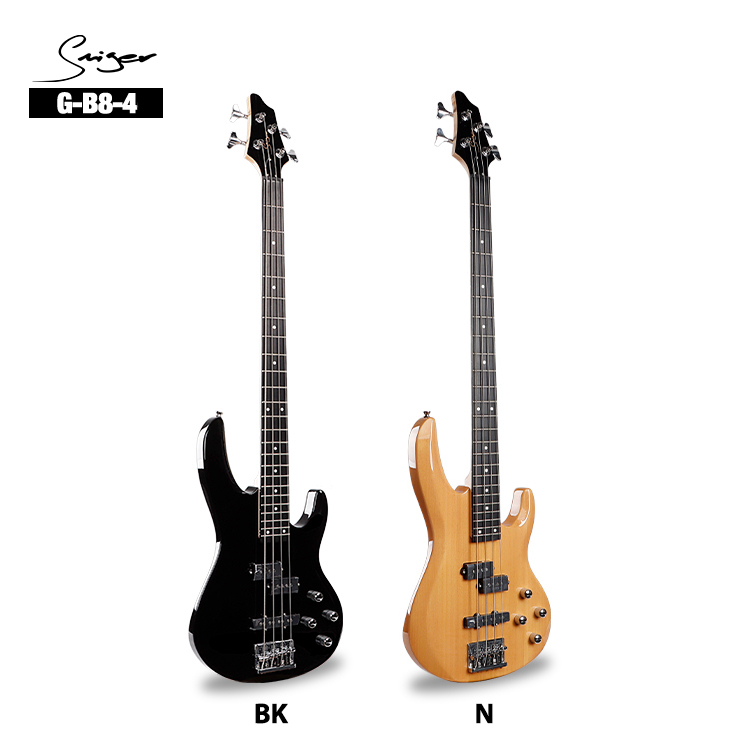
The G-B8-4 provides a current bolt-on example with a P/J pickup layout and 24 published frets.
Common retail claims say that neck-through basses always sustain longer or sound smoother, while bolt-on basses always have more attack. Those statements are too broad. Pickups, strings, scale, bridge, mass, fret condition, setup, electronics, amplifier and the individual instrument influence the result. Construction is one verified feature, not a universal sound guarantee.
Use controlled demonstrations to describe the exact samples. Keep the signal chain and short musical phrases consistent, and identify the complete model. If a customer hears a difference, help separate construction from pickup layout, electronics and setup. Do not convert a single observation into catalogue copy for every bass with the same neck joint.
Buying area | Bolt-on bass | Neck-through bass | Verification |
|---|---|---|---|
Joint | Separate neck fitted to a body pocket | Central neck structure continues through body | Current drawing, record and physical inspection |
Service | Neck removal may be possible for qualified service | Major structural repair follows a different process | Parts support and authorized repair guidance |
Upper access | Depends on heel, cutaway and body contour | Depends on transition, cutaway and body contour | Playability check on exact model |
Product data | Joint hardware and fit should be documented | Neck laminations and body wings should be documented | Approved specification and version images |
Retail role | Can serve many core or specialist configurations | Can serve a distinct construction-led role | Customer mission, price tier and channel evidence |
The G-B8-4 record identifies a four-string bass, 24 frets, a split P plus single J pickup layout, bolt-on construction and 2V+2T controls. The G-B50-T4 record identifies a four-string neck-through-body bass, a five-piece sapele and maple structure, 24 frets, H-H pickups, active electronics and 2V+3T controls. These models differ in several ways beyond the neck joint.
That difference is useful for range planning, but it prevents a pure construction-only conclusion. Dealer copy should list construction, woods, string count, scale where approved, frets, pickups, electronics, bridge, finish and included items separately. Do not attribute the effect of active electronics or different pickups to the neck joint.
Request the latest approved model sheet. Older public pages can contain legacy terminology, so the commercial document and agreed sample should resolve any conflict before a new listing is released.
Confirm the neck sits correctly in the pocket and that the joint hardware matches the approved model. Inspect visible gaps, finish damage, fasteners and the plate or ferrules. Look along the neck and compare alignment with the strings, fingerboard edges, pickups and bridge. A visual observation should be followed by a functional setup check.
Do not tighten joint hardware casually during receiving. If movement, alignment or a loose fastener is found, hold the unit and follow the approved service process. Record the unit, carton and condition before adjustment. An improvised repair can hide a repeated shipment issue.
Check the complete bass after tuning: action, relief where measured by the service standard, fret response, intonation and output. The joint is one part of the instrument.
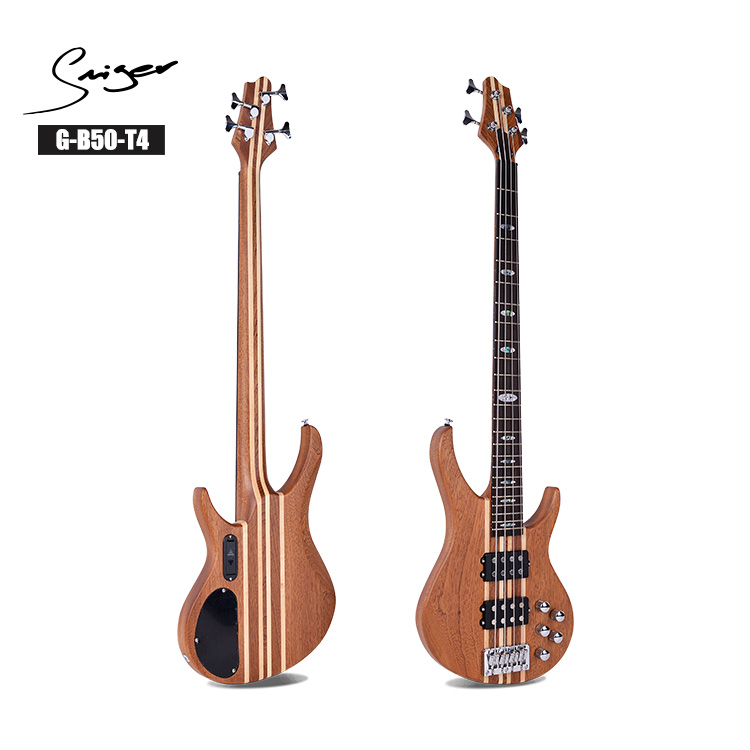
The G-B50-T4 provides a neck-through example; its active electronics and H-H pickups are separate comparison fields.
Verify the continuous center section and the body-wing joints against current images and specifications. Inspect visible seams, finish transitions and the neck-to-body contour. Look for damage, separation, irregular finish or a mismatch with the approved version. Use adequate light and record any finding with the complete instrument identity.
Check neck alignment, fret condition and bridge relationship under tension. A neck-through label does not remove the need for ordinary setup inspection. If the structure has multiple laminations, describe them only when the current record confirms the material and count.
Structural repair can be more involved than replacing a separate bolt-on neck. Buyers should confirm service routes and issue-response procedures before stocking deeply. Do not promise repair outcomes without a qualified assessment.
A neck-through design may allow a smooth body transition, but upper access still depends on cutaways, heel shaping, body thickness, strap position and the player. A bolt-on bass can also provide effective access when its joint and body are designed for it. Inspect the exact instruments.
Ask a suitable player or technician to use the same upper-register phrase while seated and standing. Observe reach and balance, then inspect note response and intonation. Record an operational result such as 鈥渁ll intended frets accessible in this position鈥� rather than a universal comfort claim.
For online content, show the back joint or transition and both cutaways when the images support it. A front photograph alone may not explain the construction adequately.
The G-B8-4 and G-B50-T4 also use different pickup and control configurations. A customer may respond to the P/J layout, H-H layout, active circuit or control positions more than to the neck joint. Build the comparison in layers: construction, physical fit, electronics, setup and signal path.
Use the active versus passive bass guide for electronics and the four-string versus five-string guide for range and neck-width planning. This keeps each search question clear and reduces conflicting claims.
During demonstration, name the settings. If the neck-through example is active and the bolt-on example uses a different circuit, level-match carefully and explain that construction has not been isolated.
Send Vines Music your market, player groups, preferred construction, pickup and electronics needs, price tiers, quantities and inspection requirements. We can discuss current model records and the evidence needed for sample approval.
Send Your Bass Range Requirements
For a bolt-on bass, confirm whether the supplier supports model-specific replacement necks, which parts are serialized or matched, and who may perform the work. Never promise easy replacement solely because the neck uses bolts. Dimensions, finish, fretwork and alignment must match.
For a neck-through bass, define how structural findings are documented and escalated. A technician may be able to address normal fret, setup, electronics or hardware work, while a serious center-section issue may require another commercial decision. Establish the route before the product reaches customers.
Track cause, labor, parts and outcome by model. This evidence helps purchasing evaluate total contribution and helps the supplier identify a repeatable correction.
Use a rear image of the bolt-on joint and an image that shows the neck-through center structure or transition. Pair each image with model code and current specifications. Explain what is visible, then state which details require the product record. Do not use a generic diagram to claim the internal structure of an exact model.
On category and product pages, include construction as a filter field when the data is consistent. Link to the current bass-guitar category and to relevant product pages. Keep words such as premium or professional out of the construction definition unless a separate, supported statement explains them.
Staff cards should include construction, strings, frets, pickups, electronics, bridge and a short inspection note. The card helps the salesperson answer the direct question without inventing a sound claim.
Verify model, construction, wood description, string count, fret count, neck alignment, joint or body seams, bridge, pickups, controls, output, finish and included items. Record setup and signal-chain conditions. Photograph the joint or center section clearly.
Agree which fields the sample controls and which may change by approved finish or version. If a production change affects construction, components or content, update the record before shipment. Sample approval is a version-controlled process, not a general statement that every future unit is identical.
At receiving, confirm identity and a defined sample from the shipment. Preserve carton and unit references for exceptions. Release, hold or escalate according to the agreed process.
Stage | Evidence | Question | Action |
|---|---|---|---|
Shortlist | Customer missions, price tiers and current range | Does construction add a distinct role? | Choose one lead model per role |
Sample | Joint, alignment, access, setup and signal checks | Does the exact model meet the agreed record? | Approve, clarify or reject |
Launch | Staff comparisons and qualified enquiries | Can customers understand the difference? | Improve display and training |
Operations | Preparation, repairs, parts and returns | What support cost belongs to each model? | Adjust service or stock |
Reorder | Sell-through, contribution and inventory age | Is the role repeatable? | Maintain, deepen, reduce or replace |
A retailer does not need one of each construction at every price. A bolt-on model can cover a core role, while a neck-through model provides a focused step when customer demand and product difference are clear. Another market may organize the range differently. Use evidence, not a fixed hierarchy.
In the first week, verify model data, images, sample condition and staff cards. In the second, record qualified questions and controlled demonstrations. In the third, inspect preparation and service notes. At day 30, compare conversion, inventory age, staff clarity, support time and any joint or structural findings.
Decide one action per model and schedule the next review. If customers cannot see the distinction, improve imagery and copy. If a model duplicates another role, reduce overlap. If technical findings repeat, escalate with unit-level evidence before reordering.
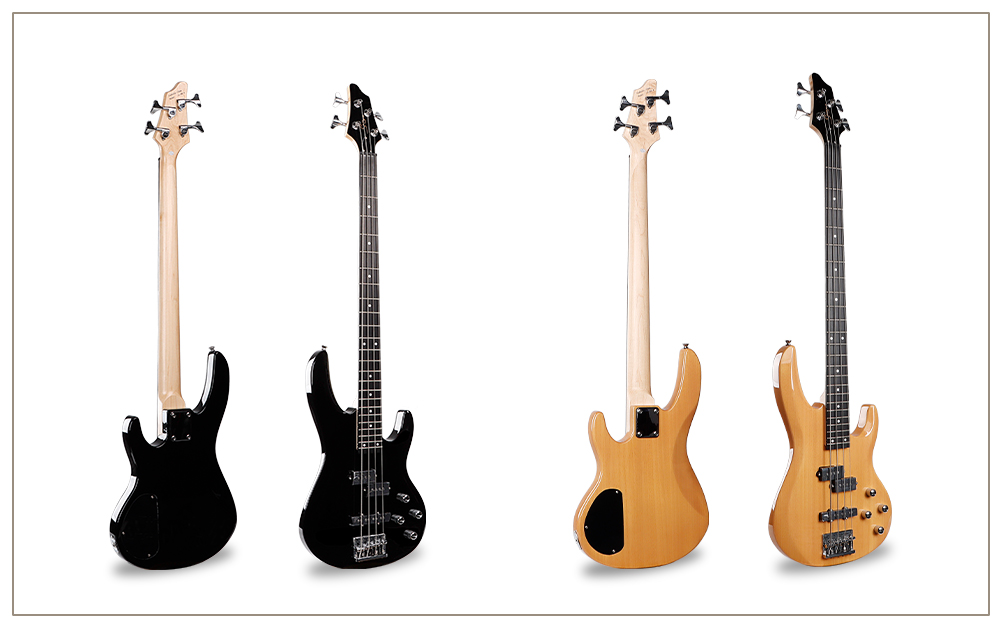
A product detail image supports identification, while neck fit and alignment require a physical inspection.
A bolt-on bass uses a separate neck attached to a body pocket with fasteners. A neck-through bass continues the central neck structure through the body and adds body wings. Exact designs vary by model.
No universal result can be promised. Construction interacts with pickups, strings, bridge, frets, setup, electronics, signal chain and the individual instrument. Compare exact models under controlled conditions.
No. Replacement requires compatible dimensions, drilling, finish, fretwork, hardware and supplier or technician support. Confirm a model-specific service path.
Check model identity, neck fit, visible gaps, alignment, fasteners, finish, string path, setup and fret response. Do not make unapproved adjustments during receiving.
Start with customer mission, complete specification, sample result, price role, service capability and local demand. Give each selected model a distinct, measurable assortment role.
Bolt-on and neck-through describe how the neck and body are joined. They influence inspection, service planning and the product story, but they do not rank quality or guarantee sound. Complete specifications and physical evidence remain essential.
A strong retailer compares the exact models, documents the joint, separates electronics and setup variables, and reviews commercial results. That approach supports clearer search content and better stock decisions.
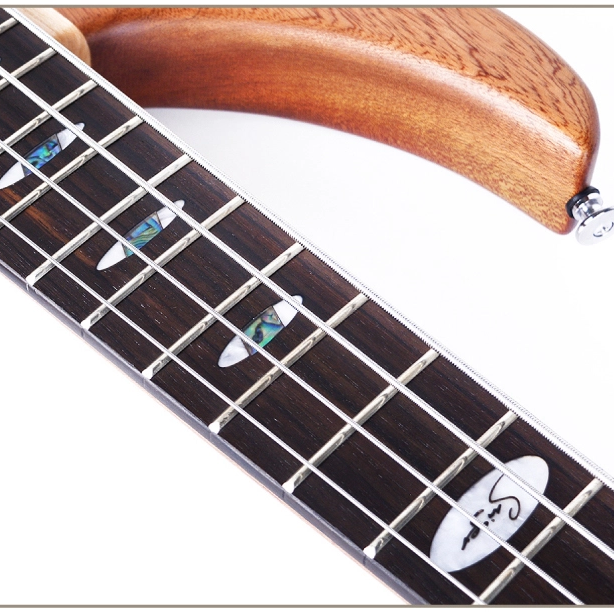
Document the exact center structure, body transition and production version when approving a neck-through bass sample.
Share your construction preferences, customer groups, electronics requirements, price tiers, quantities and service plan. Vines Music can help organize a current, model-specific comparison.