
English
Views: 0 Author: Vines Music Editorial Team Publish Time: 2026-09-30 Origin: Site


Quick answer: solid-body electric guitars are the broadest conventional choice for amplified retail ranges, while semi-hollow electric guitars add an internal chambered construction and a distinct body format that can serve players seeking a different feel, appearance and response. Neither type is automatically higher quality or more versatile. Retailers should compare construction, feedback behavior at the intended gain and volume, body size, weight, pickups, bridge, setup, shipping protection and customer mission on the exact models.
A productive range normally gives each body type a clear job. Solid-body models can cover high-volume categories and familiar comparison paths. A controlled semi-hollow selection can add a visually and functionally different option for customers who ask for that construction. This guide explains how to make the decision with product evidence instead of broad tone promises.
A solid-body electric guitar uses a body without the large resonant cavity associated with hollow instruments. A semi-hollow guitar normally combines hollow sections with a solid center block or another partially solid internal structure, although construction details vary by model. A fully hollow electric guitar is a separate category and should not be grouped automatically with every instrument that has an f-hole.
Product names are not enough. Ask for the current construction description, body materials, neck joint, scale, pickups, bridge and control layout. Check whether the public page, carton, internal system and sample use the same body classification. If “hollow,” “semi-hollow” and “chambered” appear interchangeably without an approved definition, resolve the record before dealer publication.
A common semi-hollow layout uses a center block between hollow body sections. That illustrates the construction category, but a retailer should not transfer one model’s behavior or claims to another. Test and describe the exact guitar under the intended application.
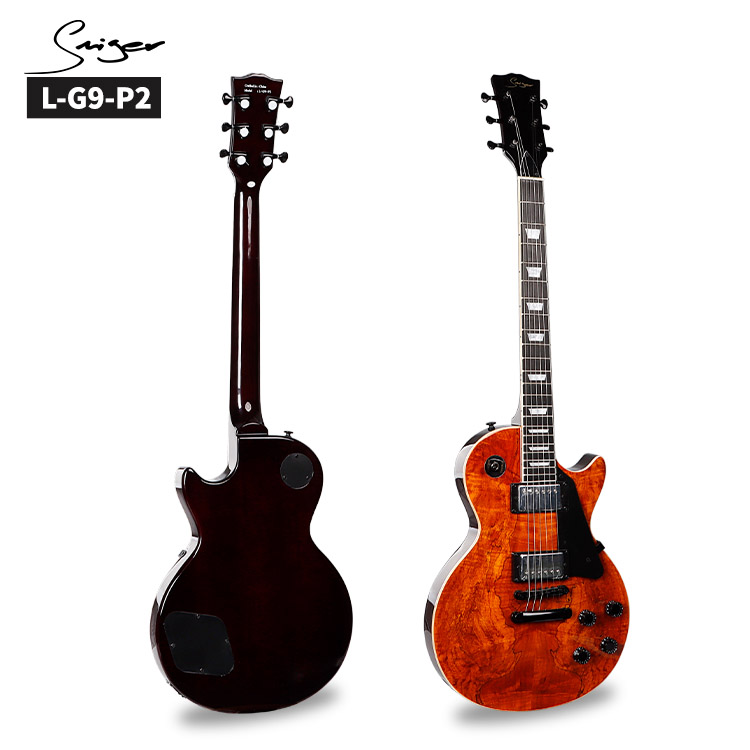
A solid-body reference should be evaluated through its complete model record, not body construction alone.
Decision area | Solid-body electric guitar | Semi-hollow electric guitar | Buyer check |
|---|---|---|---|
Construction | Body without a large resonant cavity | Hollow sections combined with a supporting internal structure | Approved section drawing or model specification |
Amplified use | Often selected for a broad range of gain and stage applications | Requires model-level feedback and gain assessment | Test through the intended signal path and volume |
Physical fit | Body shape, contour, weight and balance vary widely | Body may be larger or deeper, but model dimensions vary | Published dimensions, weight and seated or standing trial |
Merchandising | Familiar high-volume category and wide style choice | Distinct construction and visual story | Customer mission, comparison script and display care |
Logistics | Protection depends on body, neck, finish and packaging | Body and finish require a defined handling and packaging check | Correct case/carton fit and shipment inspection |
The table avoids a common error: presenting a body type as a complete sound or quality specification. Pickups, controls, scale, strings, bridge, construction details, amplifier and player create the final result. Use body type to organize the comparison, then verify the remaining variables.
Feedback behavior is a practical buying question. A semi-hollow guitar’s cavity and construction can interact with amplified sound differently from a solid body, especially as volume and gain increase. The response is not identical across models. Pickup type, placement, body structure, stage position, amplifier, speaker, room and muting all matter.
Create a controlled demonstration. Use the same known working cable, amplifier and starting settings. Begin at a moderate volume, verify clean operation and increase gain only within the store’s safe process. Compare the intended rhythm, sustained note and muted stop. Record the model, settings and room. Do not describe one test as proof of every stage situation.
For a customer who expects high gain or loud monitoring, explain the observed conditions and allow a relevant trial. For jazz, blues, indie, alternative, country or mixed-use enquiries, avoid assigning a genre automatically to the body. Confirm the player’s signal path and the actual instrument response.
A semi-hollow body may occupy more space against the player, while many solid-body designs offer compact contours. These are tendencies, not a sizing rule. Compare lower-bout width, body depth, scale, weight, strap balance, neck angle and upper-fret access on the exact model.
Observe seated and standing use. The player should be able to reach the first position, controls and intended upper register without the body moving unpredictably. A larger outline may fit one player well and feel restrictive to another. Retail staff should describe the measurements and trial result rather than promising comfort for everyone.

The visible f-hole identifies part of the design, while the current specification must define the complete internal construction.
Semi-hollow guitars are often sold with dual humbuckers, but the body category does not require one pickup arrangement. Solid-body guitars can use single coils, humbuckers or combinations. Separate the questions: first identify the body construction, then compare the pickups, switching, volume and tone controls.
Use the HSS vs SSS vs HH retail range guide to plan pickup roles. Use the fixed bridge vs tremolo guide for bridge and service implications. Keeping these decisions separate makes the article easier for buyers and AI summaries to interpret.
During a sample test, verify every selector position and control with a known signal path. Listen for interruption, excessive noise or a control that does not match the product record. If coil splitting or another switching function is listed, confirm the exact control and document it. Do not add a feature to dealer copy from a similar-looking model.
Start with the existing range. Count how many solid-body models already serve the same pickup, bridge, price and finish role. A new product earns space when it adds a useful choice or replaces a weak performer. Another color or outline is not automatically a new customer solution.
A semi-hollow model can form a focused comparison point rather than a large untested category. Staff should know which customer questions lead to it: body construction, appearance, physical feel, clean-to-moderate-gain comparison or a specific feature. The role should be written without promising a preferred tone or genre result.
Range role | Candidate evidence | Staff demonstration | Reorder measure |
|---|---|---|---|
Core solid-body option | Broad customer demand, clear price and configuration role | Basic controls, bridge, fit and signal-path check | Sell-through, margin contribution, returns and service |
Alternative solid-body configuration | Different pickup, bridge, scale or body need | Same phrase and settings against the core option | Qualified enquiries and substitution pattern |
Focused semi-hollow option | Documented demand for the construction and body format | Clean and intended-gain comparison with feedback awareness | Conversion, demonstration questions and preparation time |
Premium or specialist option | Clear target customer and verified feature difference | Appointment or trained-staff demonstration | Inventory age, qualified leads and after-sale support |
Education or program option | Curriculum, equipment and durability requirements | Repeatable setup and simple controls | Availability, service time and program continuation |
Verify model identity, body classification, neck joint, finish, bridge, pickups, controls, output and included items. Inspect visible body edges, joints, openings and hardware. Tune the guitar and play open strings, representative fret positions and the highest intended register. Test the signal path at the agreed clean and gain settings.
The sample should become a controlled reference only after the buyer accepts the specification and condition. Record the version and date. If the production configuration changes, update product data and dealer media before dispatch. A photograph of one sample does not prove shipment consistency.
For shipment inspection, confirm quantity, identifiers, packaging, visible condition and the agreed functional sample. Semi-hollow and solid-body instruments may require different internal support or case fit depending on shape and dimensions. Use the approved packaging method for the exact model and document damage patterns by carton or unit reference.
Send Vines Music your market, customer profiles, intended gain and volume, preferred pickups and bridges, price tiers, quantities and inspection needs. We can discuss current SMIGER and LUXARS solid-body and semi-hollow product records for comparison.
Ask for Current Product Information
Publish body type, model, materials, neck joint, scale, frets, pickups, controls, bridge, finish and included items only when the current record supports them. Use images of the exact version and write alt text that describes what is visible. Do not label a product “jazz,” “rock” or “professional” as a substitute for explaining the configuration.
Show at least one full product view and relevant close-ups of the body, controls, bridge and neck joint. A semi-hollow article should make the construction category visible without implying an internal design that the photograph cannot prove. A solid-body article should not promise sustain, feedback resistance or durability without a model-level test and suitable evidence.
Link the guide to the current electric guitar and bass category and, where relevant, the Hollow Series category. Confirm current availability directly because category listings can change.
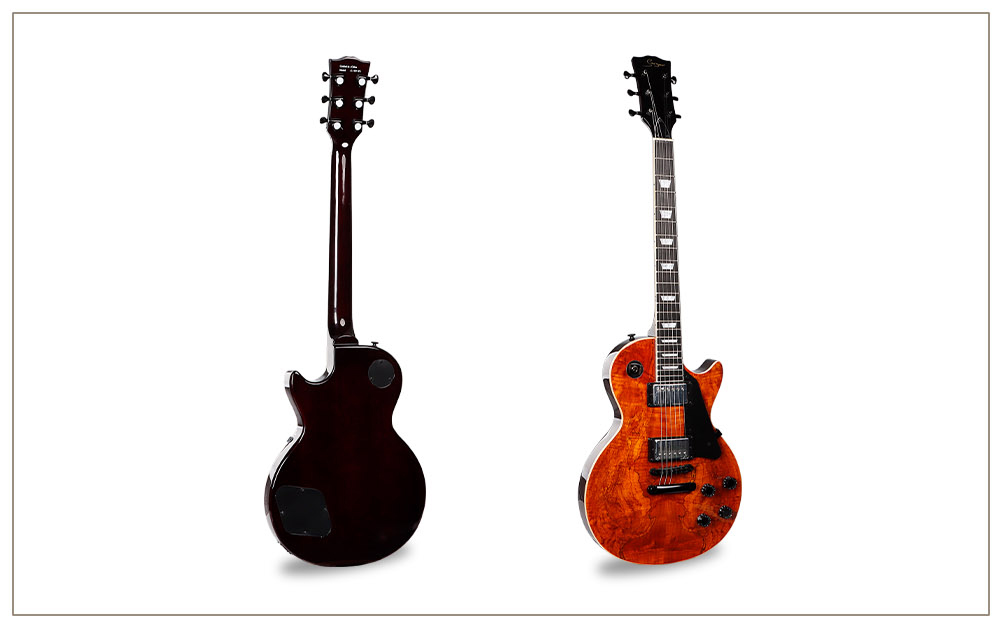
A detail view supports configuration checks, while the physical sample remains the reference for setup and condition.
Use one short clean phrase, one sustained note and one intended-gain phrase. Keep tuning, cable, amplifier, speaker, effects, volume and playing position consistent. Explain the body construction, then identify the pickups, bridge and controls. Ask the customer which difference matters for the real use.
Avoid unsupported phrases such as “semi-hollow is warmer,” “solid body is always better for high gain” or “this model works for every genre.” These may reflect common expectations, but they are too broad for a responsible product recommendation. Describe the observed result under the stated test and let the customer compare.
Give staff an escalation path. Technical noise, visible damage, repeated feedback concerns or a product-record conflict should move to the technician or supplier contact. The sales demonstration should not conceal an issue or create an improvised repair.
Track which customer mission opened the comparison, which product was selected and why. Record preparation minutes, service questions, returns, inventory age and reorder timing. Compare the whole model contribution rather than declaring that one body type “sells better” from a small sample.
For semi-hollow models, watch whether staff can explain the construction and manage the demonstration safely. For solid-body models, check whether several items are duplicating the same role. Adjust depth, training and product content one variable at a time so the next review has a clear explanation.
In days 1–7, verify that the sample, product data, images, display card and staff script describe the same construction and version. Test the agreed clean and gain settings, record preparation time and confirm where the guitar will be displayed. Keep the demonstration conditions simple enough that another staff member can repeat them.
In days 8–14, collect the questions that qualified customers actually ask. Separate questions about body construction from questions about pickups, bridge, dimensions, finish or price. If staff repeatedly answer with vague tone language, improve the comparison card and training before adding more stock.
In days 15–21, review condition, tuning stability, service notes and handling. A semi-hollow guitar that receives frequent demonstrations may require a different display or handling routine, while a solid-body model may reveal duplicated coverage with another item. Document the cause rather than assuming the body type created the problem.
At day 30, compare enquiries, conversions, inventory age, preparation minutes, return reasons and service actions by model role. Decide whether to maintain, increase, reduce or replace the stock position. Share repeated specification or shipment findings with the supplier using the exact model and evidence. The review creates an accountable range decision without claiming that one body type is commercially better in every market.
A solid-body guitar lacks the large resonant cavity of hollow designs. A semi-hollow guitar combines hollow sections with a supporting internal structure, commonly a center block. Exact construction varies, so verify the model record.
The cavity and construction can interact with amplified sound differently, especially at higher volume or gain. The result also depends on pickups, stage position, amplifier, room and technique. Test the exact model under intended conditions.
No. Genre labels are broad merchandising shortcuts. Compare construction, pickups, controls, bridge, fit and signal path with the player’s real requirements.
Confirm identity, construction description, body condition, openings, joints, neck, frets, bridge, pickups, controls, output, setup, packaging and the intended gain-and-volume behavior.
Assign each model a customer and price-tier role, begin with controlled depth, train staff on a consistent comparison and review sell-through, qualified enquiries, inventory age, returns and service cost.
Solid-body and semi-hollow electric guitars answer different range questions, but body type alone does not decide quality, sound, comfort or commercial value. A reliable buyer checks construction, dimensions, pickups, bridge, setup, signal path, packaging and customer mission on the exact model.
This method gives search users a direct answer and gives trade buyers a practical next step. It also keeps dealer copy accurate: state the verified construction, explain the comparison conditions and avoid promising a universal result.
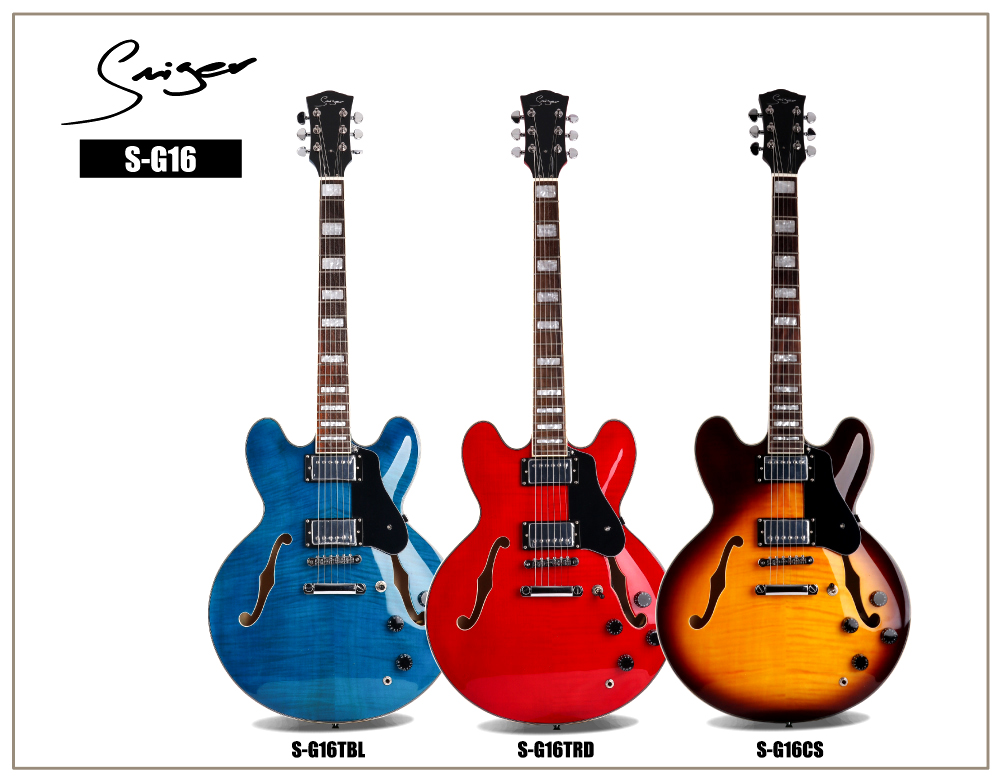
Document the exact semi-hollow model, version and visible condition when using imagery for dealer content or inspection.
Share your business type, market, target players, body formats, pickup and bridge preferences, price tiers and expected order plan. Vines Music can help organize a current model-level discussion without relying on unsupported tone or quality claims.