
English
Views: 0 Author: Vines Music Editorial Team Publish Time: 2026-10-24 Origin: Site


Direct answer: short-scale and long-scale bass guitars should be treated as different fit, string and range-planning options. Scale length is the vibrating string length between nut and bridge; many short-scale basses are around 30 inches and many long-scale basses are around 34 inches, but retailers must publish the measurement for the exact model. A shorter scale reduces fret spacing and changes the working string length, while setup, string design, body balance and neck dimensions still shape the playing result.
This guide helps retailers, distributors and music programs compare the two formats without turning either one into a universal beginner or professional label. It focuses on model data, controlled trials, compatible strings, sample inspection and evidence-led stock decisions.
Decision area | Short-scale bass | Long-scale bass | Verify before listing |
|---|---|---|---|
Scale role | Often near 30 inches; closer fret spacing | Often near 34 inches; common full-length reference | Exact nut-to-bridge scale measurement |
Player trial | May reduce first-position reach for some players | May suit players who prefer wider fret spacing or a familiar format | Seated and standing reach, balance and neck dimensions |
Strings | Requires a set made for the scale and bridge path | Requires the correct long-scale winding and taper position | Scale designation, gauge, taper and string-through or top-load path |
Range role | Compact option, distinct feel or travel-related use | Core reference in many bass ranges | Observed customer mission, service load and sell-through |
“Short” and “long” are useful category labels, but the product record needs a number and a method. Scale length is measured along the vibrating string between the nut and bridge reference; the final saddle positions vary during intonation, so a listing should use the manufacturer’s approved specification whenever available and preserve its stated method.
Do not infer scale from overall instrument length or body shape. Two basses can have similar silhouettes and different scales, while a compact body can still carry a longer neck. Keep scale length, overall length, nut width, body dimensions and weight as separate fields.
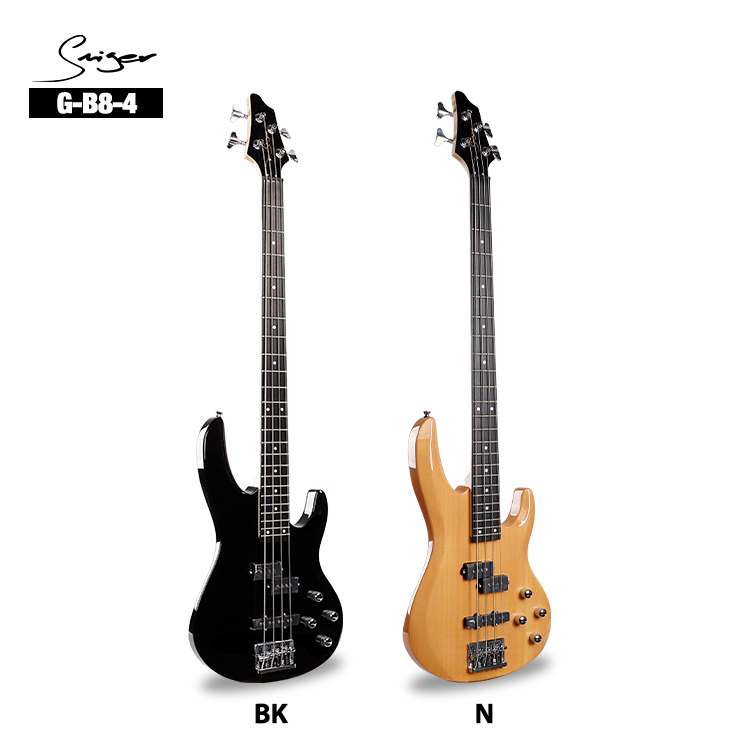
A catalog image identifies the model family, while scale length and neck measurements must come from the approved SKU record.
A shorter scale normally places the frets closer together, which can reduce the distance a player spans in first position. That can help some players, including people moving from guitar, but it does not guarantee comfort. Neck profile, nut width, body balance, strap position, instrument weight and setup can change the experience.
Run a simple supervised comparison. Adjust the strap to a comparable position, tune both instruments, and ask the player to repeat the same short line in first and middle positions. Record reach, shoulder position, wrist angle, body stability and the player’s own preference. Stop the trial if pain, numbness or unusual discomfort appears; retail staff should not make medical claims.
Short-scale does not mean toy, entry-level or lower quality, and long-scale does not mean automatically professional. Scale length is one design decision. Construction, electronics, fretwork, hardware, setup, finish, consistency and service support must be evaluated separately on the exact model.
Use range labels that describe the customer mission: compact fit option, familiar long-scale reference, particular control layout, five-string role or distinct visual style. This gives staff a factual way to explain the assortment without claiming that one scale is universally better.

Body design and scale length are separate fields; buyers should verify both before assigning a retail role.
A bass string set must place its speaking length, taper and silk in the intended positions. “Four-string bass set” is not enough information. Confirm the maker’s scale designation, gauge, winding length and whether the instrument loads through the bridge plate or through the body. A mismatch can place a thick winding around a tuner or put taper over a fret or saddle.
Record the approved factory set and one verified replacement route. If a dealer proposes a different gauge, the bass may need setup and intonation work. Avoid promising that any short-scale or long-scale set will fit every instrument carrying the same category label.
Scale length interacts with string gauge, tuning, action, relief and saddle position. A fair demonstration uses instruments that are tuned, prepared and fitted with documented strings. If one sample has old strings, high action or incorrect intonation, the comparison is measuring condition as much as scale.
Keep a short setup record for each demonstration sample: string set, tuning, relief and action method, intonation check, pickup settings and date. Let trained personnel complete technical adjustments. The retail explanation can then separate verified model characteristics from observations made under named conditions.
Send Vines Music your market, player missions, preferred scale lengths, string requirements, electronics, packaging and quantity range. We can organize a current model-level review.
A practical bass assortment may use one prepared long-scale model as a reference, one short-scale option with a clearly different fit mission, and additional models that add a justified feature such as a fifth string, different electronics or construction. Avoid duplicating the same role across many finishes unless sales evidence supports the depth.
For each SKU, write one sentence that names the reason it exists in the range. If staff cannot explain the difference without vague tone or quality claims, the assortment may need cleaner product data or fewer overlaps. Link this scale guide with the site’s 4-string vs 5-string bass guide when string count is also part of the decision.
Confirm model code, scale, string count, nut width, fret count, body dimensions, bridge path, tuners, electronics, finish and included items. Inspect neck condition, fretwork, nut, saddles and hardware. Tune the bass, test every control through a known signal path and document preparation needed before a customer trial.
Use the same measurement terms in the sample report, product page, quotation and carton record. If the received instrument differs from the data sheet or image, resolve the version before publication. The broader sample-order evaluation guide provides a repeatable evidence workflow.
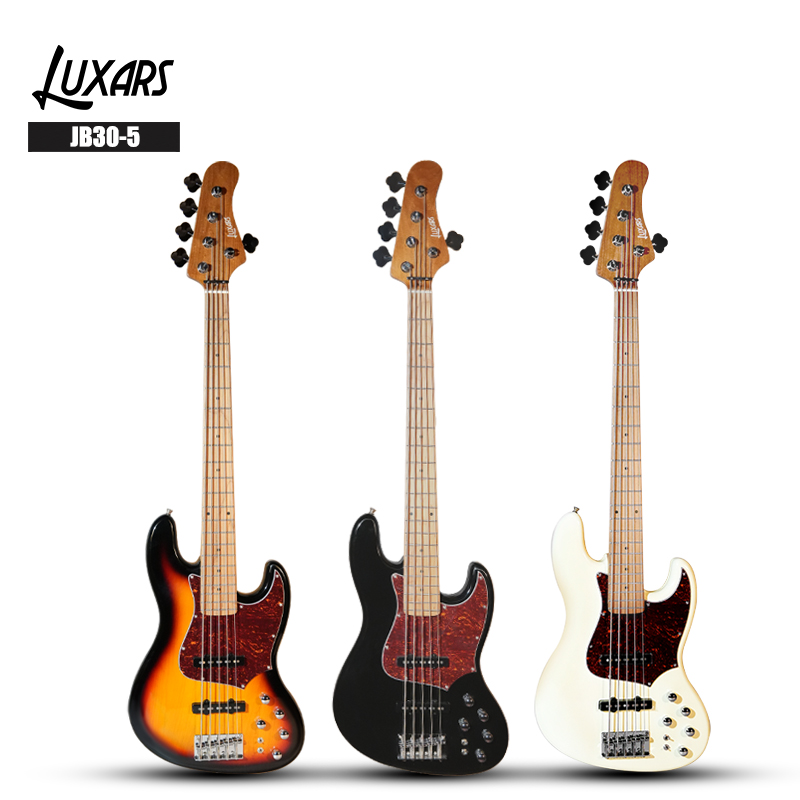
A front view supports model identification; scale, string path, controls and included items still require direct verification.
Place scale length, string count and tuning near the top of the listing. Add nut width, fret count, body dimensions, weight when verified, bridge type, string path, control map, finish, included bag or case and the approved replacement-string reference. Images should show the actual model and finish.
Do not copy a 30-inch or 34-inch figure from a visually similar bass. If the manufacturer uses a medium scale or another measurement, publish the current approved value. Explain measurement units and use the same terminology across languages and dealer materials.
Evidence | Record | Range decision |
|---|---|---|
Qualified enquiry | Player mission, current instrument, scale requested and reason | Which format deserves display depth |
Trial note | Models, strings, setup state, reach and selection reason | Whether the comparison is working |
Accessory request | String set, case, strap and stand fit | Which support stock is required |
Service or return | Exact SKU, condition, issue and resolution | Content, setup or sourcing correction |
Sales and stock | Sell-through, age, margin contribution and preparation time | Maintain, deepen or reduce a role |
Review this information after a meaningful sales period. Separate true scale demand from differences caused by price, body style, electronics, color, unavailable strings or poor setup. A popular short-scale model does not prove that every short-scale bass will perform the same commercial role.
Answer: the defining difference is scale length, the vibrating string distance between nut and bridge. Many short-scale basses are around 30 inches, while many long-scale basses are around 34 inches. The shorter format normally brings frets closer together and changes the working string length.
The label does not describe the whole instrument. Neck width, body balance, weight, string design, bridge path, electronics and setup also affect fit and operation. Retailers should publish the exact model’s approved scale measurement and let players compare prepared samples before recommending one format.
Answer: no. A short-scale bass can serve players who prefer closer fret spacing, a more compact instrument or a distinct response, regardless of age or experience. It should not be marketed as a toy or a temporary step unless the exact product is designed for that role.
Use age or hand size only as a conversation starter. Confirm the intended music, seated and standing balance, first-position reach, neck dimensions and setup. A player may prefer a long-scale bass even with smaller hands, while an experienced adult may deliberately choose a short scale.
Answer: they need strings whose winding length and taper suit the scale and bridge path. A generic bass string description is not enough because the distance from bridge to tuner and the choice of top-load or string-through construction affect where full winding and taper sit.
Record the factory set or an approved replacement for each SKU. Before bundling another set, verify scale designation, gauge, winding length, taper and tuner fit on the actual instrument. A different gauge or construction can also require setup and intonation work by trained personnel.
Answer: with the same string construction, gauge and tuning, a shorter scale generally requires less tension, but retail comparisons rarely hold every variable constant. Manufacturers may choose different gauges or constructions, and setup changes the perceived playing result.
Do not publish a universal “looser” or “easier” promise from the scale label alone. State the verified scale and factory string set, prepare both samples, and let the customer compare the same task. If a replacement set changes gauge, document the change and recheck setup and intonation.
Answer: the core scale should come from local enquiries, trial outcomes, teacher or performer needs, support-stock availability and sell-through by exact SKU. Long scale is a common market reference, but that does not determine the correct depth for every store or region.
Maintain at least one clear comparison option when evidence supports it, then track why buyers choose or reject each format. Review returns, string requests, setup time and stock age alongside sales. These records show whether the issue is scale demand, product data, preparation or another model difference.
Category-level scale definitions were checked against Yamaha’s guide to choosing a bass guitar. A current 30-inch model example and its specific design fields were checked against Ernie Ball Music Man’s Short-Scale StingRay overview. These maker examples establish neither universal fit nor any Vines Music model’s scale, strings or performance; every SKU requires its own approved record.
A strong bass range explains what scale length changes and what it does not. Exact measurements, compatible strings, controlled setup, physical trials and model-level operating data give buyers a defensible reason to select short scale, long scale or both.
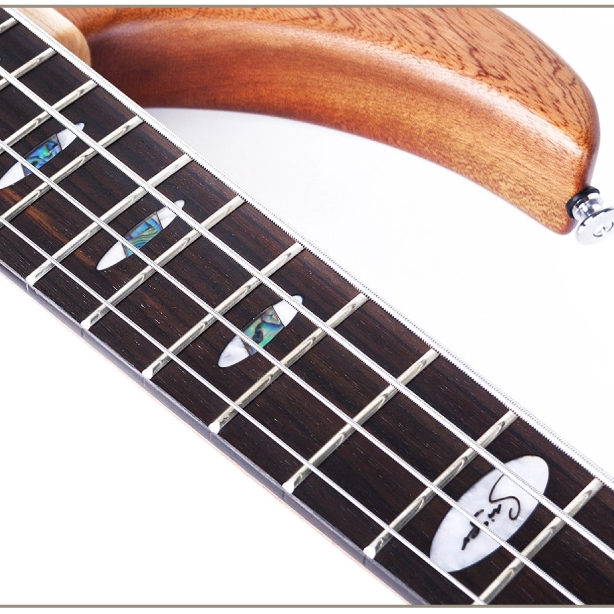
Detail imagery supports inspection, while the published scale and service requirements must remain tied to the exact SKU.
Tell Vines Music which player groups, scales, string counts, electronics and support requirements you are reviewing.