
English
Views: 0 Author: Vines Music Editorial Team Publish Time: 2023-05-17 Origin: Site


Quick answer: a school guitar ensemble equipment plan should begin with the musical parts, number of players, room, amplification, storage and support responsibilities. Convert those requirements into a role-based worksheet before selecting models or quantities. The complete request includes instruments, cases or bags, tuners, stands, cables, amplification where needed, spares, receiving checks and a process for setup and service. A supplier can support product information and equipment questions; the teacher or program team remains responsible for curriculum, player assignment and safeguarding.
This guide is for school purchasing teams, music retailers, distributors and program coordinators who need a repeatable way to scope guitar equipment. It avoids the common mistake of ordering a uniform instrument bundle before the arrangement, room and support process are understood.
Begin with the music the group will actually rehearse during the next term or project. List rhythm, melody, bass, accompaniment and any alternative participation roles. A role describes the musical and operational job; it is not a promise that one guitar belongs to a genre or skill level.
Record the number of players for each role, whether instruments will be shared and whether the program expects seated, standing, classroom or stage use. Note how often groups change rooms and how much setup time is available. These conditions affect storage, transport, tuning and signal management before they affect the model shortlist.
A short needs statement keeps the buying process focused. For example: “The program needs twelve student roles across two shared classrooms, with six acoustic parts, four amplified electric parts and two flexible support roles. Equipment must be stored between sessions and prepared by one technician.” That statement can be checked. “We need twelve good guitars” cannot.

Start with the musical role and room before choosing instrument quantities.
Use one row per musical role rather than one row per preferred model. The worksheet should show who uses the equipment, what it must connect to and which fact still needs confirmation. Keep required quantity separate from spare quantity so the reason for each unit remains visible.
| Worksheet field | Question to answer | Evidence or owner |
|---|---|---|
| Musical role | Rhythm, melody, bass, accompaniment or flexible part? | Teacher or program lead |
| Player count | How many simultaneous players need this role? | Class roster without unnecessary personal data |
| Instrument format | Acoustic, nylon-string, electric or another confirmed need? | Arrangement and room trial |
| Shared use | One learner, shared class set or rotating group? | Timetable and storage plan |
| Signal path | What output, cable, input, amplification and monitoring are required? | Current equipment documentation |
| Accessories | Which tuner, stand, strap, case, cable or power item is needed? | Complete equipment checklist |
| Support owner | Who tunes, checks, stores and routes faults? | Named program role |
| Open question | Which specification or compatibility detail is unresolved? | Supplier or service follow-up |
Do not hide uncertainty by copying a previous order. If a room, repertoire or available amplifier has changed, the previous quantity may no longer fit. Record the source and date for each model-level specification and update the worksheet when a configuration changes.
An acoustic guitar can be used in a group without a signal chain, but its role still needs a room trial. The audibility of a part depends on the arrangement, number of players, playing level and room. Do not promise that a body shape or material will be loud enough for every ensemble.
For an electric or acoustic-electric role, map the entire path: instrument output, cable, pedal or interface if used, amplifier or mixer input, monitoring and power. Confirm connector and power requirements from the exact equipment documentation. An electric guitar without a suitable listening path is not a complete classroom solution.
Plan volume management with the school. Amplifier placement, room acoustics and the balance between parts require an onsite decision. Product teams can explain controls and connections, but should not set a universal safe volume or substitute for the organization’s hearing and venue guidance.

An amplified ensemble plan must include the complete signal path, not only the guitar.
“Student guitar” is too broad for purchasing. Compare the player’s required reach, playing position, the musical task, instrument dimensions, balance and available setup support. Age alone does not determine size. A compact format is not automatically appropriate for every beginner, and a full-size instrument is not automatically the correct long-term choice.
Ask the teacher how parts will be assigned and whether left-handed or other access needs must be supported. Decide how alternatives will be requested without publicly labeling a learner. Where individual fitting is needed, involve the appropriate qualified staff and retain only the information required for the equipment decision.
For every candidate model, keep one approved product record. It should identify the exact model code, current configuration, dimensions needed for the comparison, control layout and included items. Product images should match the version being considered.
Accessories often determine whether the first rehearsal starts on time. A basic plan may include tuners, stands, straps where appropriate, cases or bags, cables, spare strings, picks and approved power equipment. The correct list depends on the instrument, room and school process.
Record whether each item is supplied, already owned by the school or purchased separately. Confirm compatibility rather than relying on a generic label. A stand should support the intended instrument in the planned storage area. A case should fit the exact model. A cable should match the signal path and be long enough for the approved room layout without creating an unmanaged route.
Decide who replaces consumables and where spares are stored. A large quantity of low-cost accessories does not create readiness if nobody can find the correct item during a session.
Document where instruments are stored, how they are identified and who has access. Use model and inventory identifiers that match the purchasing and service records. Labels should help the team return each item to the correct location without covering vents, controls or information required for service.
Measure the storage area and planned route before ordering cases, stands or racks. Include doorways, stairs and any room changes. Ask the organization to review security, access and emergency-route requirements. A supplier image cannot prove that a storage system fits the site.
Shared equipment needs a handover routine. Record condition, tuning status, missing items and unresolved faults at a level the team can maintain. The purpose is fast routing, not surveillance of individual learners.
Send Vines Music the number of roles, instrument formats, room and signal-path requirements, expected quantity range and unresolved model questions. We can discuss current SMIGER and LUXARS information for the shortlist without replacing the school’s teaching or venue decisions.
Incoming checks should connect the order record with the item received. Confirm the carton label, model, finish, quantity and supplied accessories before equipment is distributed. Record visible condition and any mismatch with photographs and specific descriptions. Avoid general labels such as “bad quality” when a precise observation can be routed faster.
Then assign setup and functional checks to the responsible person. The process may include tuning-machine operation, string condition, control operation on amplified instruments, cable and input checks and a basic play-through. The exact procedure depends on the product and local competence. Repairs and adjustments should be handled by qualified staff.
Keep three states distinct: received, checked and ready for the planned session. A carton count confirms receipt, not classroom readiness. A short issue log gives the retailer, school and supplier a common record for follow-up.
Where practical, trial a small representative setup before committing the whole program to one configuration. Use a short passage that includes the planned parts and room arrangement. Record setup time, tuning interruptions, signal problems, missing accessories, storage friction and questions from staff.
Change one operational variable at a time. If the electric parts cannot be heard clearly, check the signal path and room balance before assuming the guitars are unsuitable. If changeovers take too long, review labeling, tuning responsibility and stand placement. If learners cannot access the required positions, revisit fit and role assignment with the teaching team.
The trial is not a customer testimonial or a guarantee. It is a local operational check that informs the next purchasing decision.

Role-based comparison helps buyers avoid ordering several models for the same job.
Unit price is one field in an ensemble decision. Also compare specification accuracy, configuration clarity, image-to-model match, response to open questions, replacement handling, documentation, local service route and the workload required to prepare the equipment.
| Decision area | Evidence to request | Program consequence |
|---|---|---|
| Product data | Current model sheet with revision and configuration | Reduces listing and receiving mismatches |
| Complete offer | Instrument, included items and separately required equipment | Prevents incomplete classroom setups |
| Packing and identification | Carton labels, model codes and quantity record | Supports receiving and inventory control |
| Issue response | Named route and required evidence | Makes faults easier to triage |
| Availability | Current quotation and confirmed arrangement | Connects the plan with the actual term schedule |
| Program evidence | Trial issues, staff workload and continuation data | Guides reorder or range changes |
Do not publish unconfirmed MOQ, lead time, warranty, certification or delivery promises in the article. These conditions can vary by market, order and current agreement. Confirm them in the applicable quotation or contract.
Build the budget from the complete system. Separate instruments, cases or bags, stands, cables, tuners, amplification, consumables, storage and preparation work. Keep optional items visible instead of hiding them inside one bundle price. This allows the school to remove or defer an item without accidentally removing something required for the planned role.
Use the term calendar to identify the date by which equipment must be received, checked and ready. Work backwards through approval, current quotation, order confirmation, delivery, incoming checks, setup and the rehearsal trial. Do not convert a planning date into a public delivery promise; confirm commercial timing for the actual order.
Review the total operating effect as well as the initial purchase. A configuration that needs frequent specialist setup, creates repeated signal questions or lacks suitable storage may cost more staff time than the price comparison shows. Record those causes during the first month so the next budget reflects the real support requirement.
Give teachers, retail staff and technicians the part of the record they need. Teachers need the role map and session process. Retail staff need the customer requirement, product facts and comparison limits. Technicians need model identification, signal path and issue-routing information.
Use a short handover exercise. Ask one team member to explain the equipment role, another to trace the complete setup and a third to identify what happens when a specification or received item does not match. If the explanation depends on one person’s memory, the program is not ready to scale.
Keep training content aligned with the approved model record. Do not ask staff to memorize claims about tone, skill level or durability that are not defined and supported.
Agree on a small set of operational measures: equipment ready at the start, setup delay, tuning or signal interruptions, missing accessories, unresolved faults, support response and staff preparation time. Add participation measures only when they fit the program objective and privacy process.
Review what caused each issue. A missing cable is different from a faulty input; an unclear model label is different from an incorrect shipment. Specific causes help the buyer decide whether to change the product, order record, storage plan, training or service route.
Connect the review with the next decision. The team may keep the setup, revise quantities, add a spare, change one role or stop an unsuitable configuration. Document the reason so the next term does not begin from assumptions.
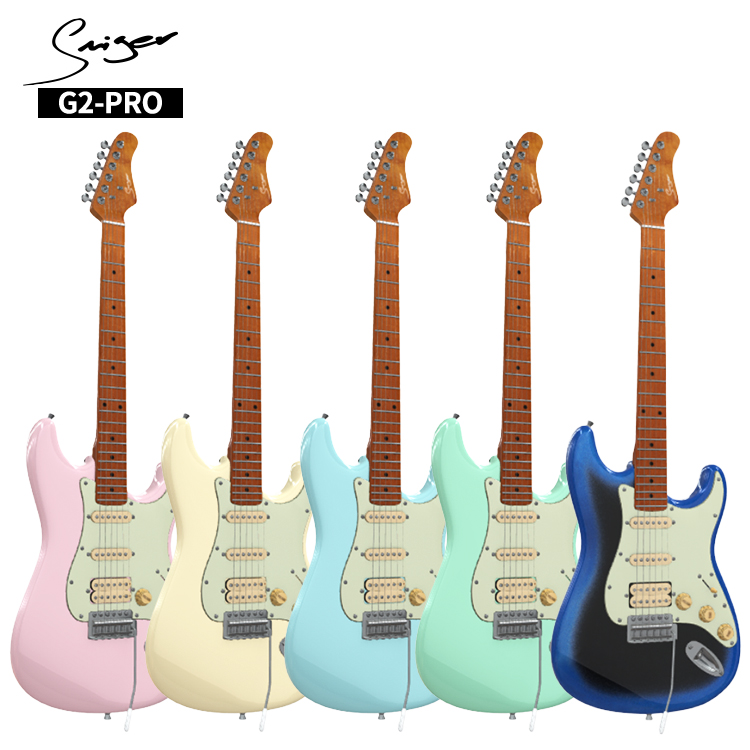
Use a current model record and exact image match before adding an instrument to the worksheet.
Use the guitar roles in popular music guide when the group needs to translate a musical style into verifiable instrument and signal-path roles. Use the after-sale guitar learning support guide to assign setup, service and follow-up responsibilities after the equipment is distributed.
The ensemble worksheet remains the master record for quantities and complete setups. The linked guides support role selection and continuing support; they should not become competing order lists.
Start with simultaneous musical roles and the timetable. Separate required instruments, shared instruments and justified spares. Do not use class size alone when some roles need different equipment or groups rehearse at different times.
Not automatically. Use the musical task, fit, access needs and complete equipment to define appropriate options. Keep model facts current and let qualified program staff manage individual assignments.
Map the instrument, cable, any interface or effects, amplifier or mixer input, monitoring and power. Add stands, storage and spares as required. Confirm compatibility for the exact equipment rather than relying on a generic bundle name.
Name the responsible school, retailer or service role before delivery. Receiving staff can confirm identifiers and visible condition; setup, adjustment and repair tasks should remain with people qualified for that work.
Send the role and quantity worksheet, instrument formats, room and signal requirements, expected timing, current equipment, required accessories and unresolved product questions. Avoid unnecessary personal learner information.
A school guitar ensemble is a system of musical roles, people, instruments, signal paths, accessories, rooms and support responsibilities. A useful buying plan makes each connection visible before models and quantities are approved.
For retailers and distributors, this method produces a better enquiry and a clearer service plan. For schools, it reduces preventable setup gaps and gives staff a record they can review. The result is not a promise that one product creates a successful ensemble; it is a controlled way to select and support equipment for the program that actually exists.
Contact Vines Music with your country, organization type, program roles, preferred instrument categories, quantity range and model-information questions. Current SMIGER and LUXARS options can then be reviewed against the worksheet and confirmed documentation.